A Comprehensive Guide to an Effective Kidney Stone Diet Plan
Welcome to our complete Kidney Stone Diet guide. Dealing with kidney stones can be both painful and upsetting. The primary objective of our service is to help you choose intelligent choices regarding nutrition that can effectively diagnose and avoid the formation of kidney stones. We will go thoroughly into the complexities of a well-structured kidney stones diet plan that emphasizes your health in this article. Let’s get started on the road to greater kidney health!
Understanding Kidney Stones:
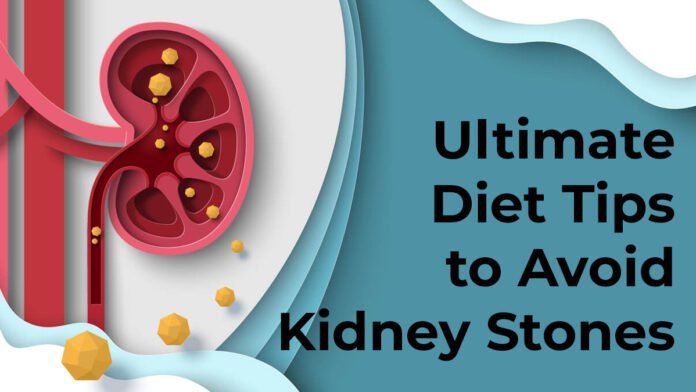
Prior to going into the kidney stone diet plan’s specifics, it’s critical to gain a basic grasp of this ailment. Renal calculi, or kidney stones, are created when particular minerals and substances found in urine solidify and gather in the kidneys. As a result of this buildup, solid deposits may form. These deposits can range in size and can be quite painful and uncomfortable as they move through the urinary tract.
The Role of Diet in Preventing Kidney Stones:
The prevention of kidney stone formation is greatly aided by eating a healthy, balanced diet. Your chance of acquiring kidney stones or having recurrent episodes can be considerably decreased by making wise dietary decisions. Our all-inclusive kidney stone diet plan is created to offer you priceless advice and suggestions to make the essential dietary changes that promote the best possible kidney health.
Mastering the Kidney Stone Diet Chart:
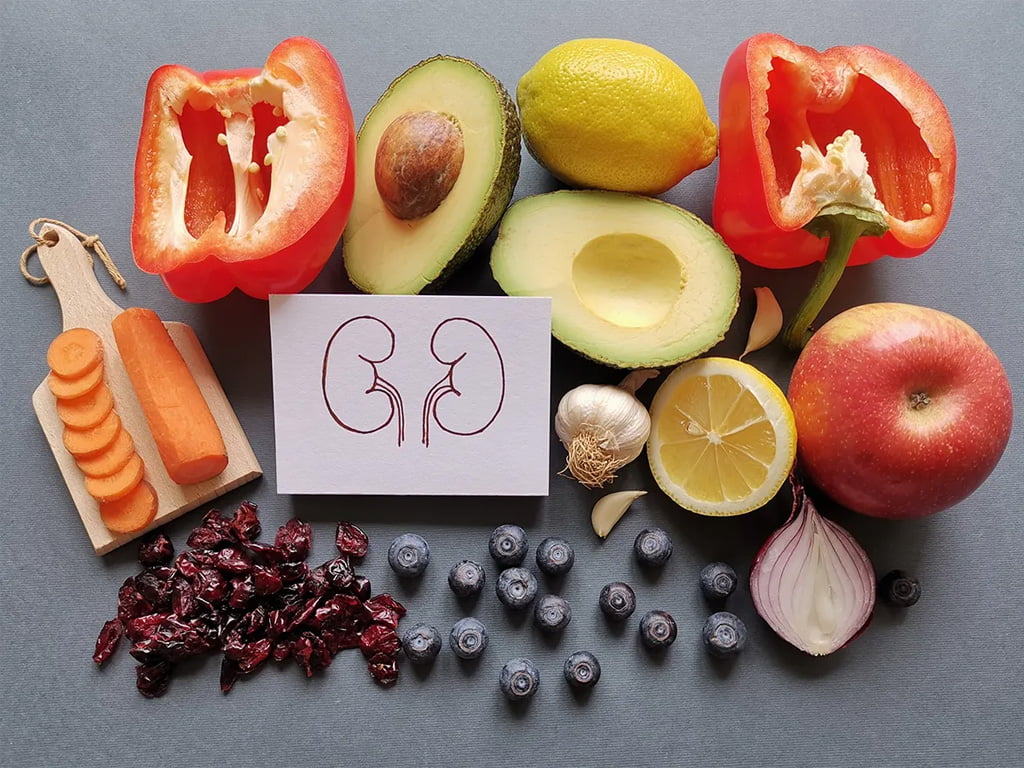
Dietary choices are closely related to the management and prevention of kidney stones. Making deliberate food choices can help enhance kidney health and significantly lower the risk of kidney stone development. Let’s explore the main dietary considerations:
Stay Hydrated:
The key to preventing kidney stones is maintaining a healthy level of water. By ensuring the dilution of the minerals and chemicals that contribute to the production of stones, enough fluid intake helps the stones transit through the urinary system. Aim for 8 to 10 cups of water each day, and think about drinking more in the summer or when you’re exercising a lot.
Reduce Salt Intake
Consuming too much salt can raise the calcium levels in urine and increase the risk of kidney stones made of calcium. Limiting the intake of processed meals, canned soups, and fast food is advised to reduce this risk. By choosing freshly cooked whole foods, one can better regulate their salt intake.
Embrace Calcium-Rich Foods:
Contrary to prevalent misconceptions, consuming an appropriate amount of dietary calcium is advantageous in preventing kidney stones. Calcium and oxalate collaborate within the intestines to hinder the absorption of oxalate into the bloodstream. Including calcium-rich foods such as dairy products, leafy greens, and fortified plant-based milk supports kidney function and reduces the likelihood of stone formation.
Manage Oxalate-Rich Foods:
A naturally occurring substance called oxalate, which is found in many foods, can cause calcium oxalate kidney stones if taken in excess without enough calcium. While it’s important to consume some oxalate in your diet, it’s wise to limit your intake of oxalate-rich foods like spinach, rhubarb, beets, and almonds.
Opt for a Low-Purine Diet:
A low-purine diet may be advantageous for those who are prone to uric acid stones. There is a higher risk of stone development while eating certain purine-containing foods since they raise uric acid levels. Consuming less organ meat, shellfish, and red meat while putting more of an emphasis on low-purine foods like beans, tofu, and low-fat dairy can help reduce this risk.
you may like : How to Remove Dark Circle (Dark Circle Kaise Hataye)
Other Dietary Considerations:
Consider these additional dietary concerns in addition to the previously listed factors:
Include Foods Rich in Citric Acid:
Certain kinds of kidney stones can be avoided by consuming foods high in citric acid, like lemons, oranges, and grapefruits.
Moderate Protein Consumption:
Avoid excessive protein intake, as it can elevate uric acid levels and contribute to uric acid stone formation. Prioritize high-quality protein sources like tofu, lean meats, chicken, fish, and lentils.
Limit Sugar and Oxalate-Rich Drinks:
Consuming beverages high in oxalate or sugar, such as certain teas and colas, can contribute to kidney stone formation. Opt for water, herbal teas, and citrus-flavored beverages to support hydration and minimize stone recurrence.
Consideration of Medicinal Approaches:
In some cases, dietary adjustments alone might not be sufficient to prevent kidney stones. Certain medications, such as citrate supplements, might be recommended by healthcare professionals to alter urine chemistry and prevent stone formation.
Conclusion:
You can actively manage kidney stones and lessen the possibility of them recurring by adopting a well-thought-out and balanced diet based on the concepts described in this article. Every person has different nutritional needs, therefore it’s crucial to take this in mind when creating a personalized eating plan. A trained dietician or healthcare practitioner should be consulted for this.
At Seervi News, our commitment is to empower you with accurate information and valuable advice to prioritize your kidney health. You may take charge of your health and lead a life free from the burden of kidney stone production thanks to our wealth of information and professional advice. Remember, the choices you make regarding your diet and lifestyle have a profound impact on both your kidney health and your overall quality of life. Set off on a path to optimum kidney health and general wellbeing by taking the initiative to make healthy changes.
FAQs – Comprehensive Kidney Stone Diet Guide
Q1. What causes kidney stones?
Q2. How can diet prevent kidney stone formation?
Q3. What is the importance of hydration in kidney stone prevention?
Q4. Can reducing salt intake help prevent kidney stones?
Q5. Are calcium-rich foods safe for kidney stone prevention?
Q6. Should oxalate-rich foods be avoided entirely?
Q7. What is a low-purine diet and its role in stone prevention?
Q8. How can citric acid-rich foods help prevent kidney stones?
Q9. Is medication ever necessary for preventing kidney stones?
Q10. Can these dietary tips replace professional medical advice?
Q11. How can I access more information on kidney health?
Q12. How can I implement these diet tips in my daily routine?
These FAQs provide a concise overview of the key points covered in our comprehensive Kidney Stone Diet Guide. Remember, proactive dietary choices can significantly reduce the risk of kidney stone formation. However, for personalized guidance and medical recommendations, consult healthcare professionals to ensure your kidney health journey is tailored to your individual needs.

